
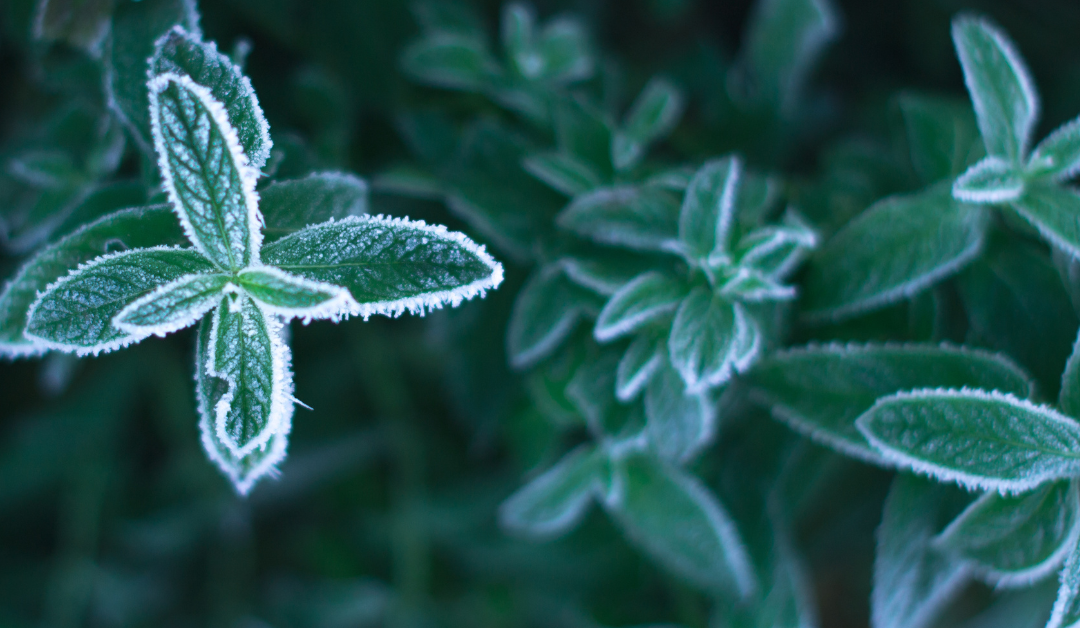
As the seasons change, gardeners often wonder how to shield their plants from an unexpected early frost. Each year, a sudden drop in temperature can threaten the health of the plants you’ve nurtured. Whether you’re just starting out or have a wealth of gardening experience, figuring out how to safeguard your plants from early frost is crucial to maintaining a thriving, beautiful garden. In this complete guide, we’ll outline straightforward steps to keep your plants healthy and vibrant, even when the cold weather arrives sooner than anticipated.
Understanding Early Frost and Its Importance
Before diving into protection methods, it’s beneficial to understand what an early frost is and why it’s a concern. An early frost occurs when temperatures drop below freezing earlier in the autumn than we expect. These sudden cold snaps can severely harm or even kill plants that aren’t ready for winter’s chill, particularly young plants and those that aren’t frost-resistant. When frost settles in unexpectedly, it causes the water inside leaves, stems, and flowers to freeze, leading to wilting and blackening. Knowing how to protect your plants from an early frost allows gardeners to extend their growing season and keep their plants healthy and flourishing.
Why Early Frosts Are a Threat
You might wonder why there’s so much emphasis on how to protect plants from early frosts. The majority of garden plants are primarily composed of water. When temperatures drop suddenly and that water freezes, ice crystals form within the plant cells, damaging them and hindering the plant’s ability to survive.
Early frosts can arrive before plants have had the chance to gradually acclimate to cooler temperatures, which would help prepare them for the winter months. Many gardeners end up losing flowers, vegetables, and even young trees to these unexpected freezes. While it can be disheartening to lose beloved blooms or a batch of vegetables, the good news is you can act to prevent this. With the right knowledge, you’ll be well-prepared the next time you hear a frost warning.
Identifying Frost or Freeze Damage
Before we cover protective strategies, it’s helpful to recognize what frost damage looks like. You may wake up to find leaves that are blackened, shriveled, or mushy. New growth, delicate flowers, and tender veggies are particularly vulnerable. Sometimes, you’ll notice that a plant looks wilted even after the sun rises. If you see these signs after a cold night, there’s a good chance your garden suffered frost damage. By knowing how to protect plants from an early frost, you can rescue many of them and help prevent this type of harm in the future.
Planning Your Protection Against Early Frost
The key to effective frost protection is preparation. Start thinking about protective measures before the cold sets in. Keep track of your local weather forecasts, and when the forecast warns of chilly nights, it’s time to take action. The sooner you respond, the better your chances of safeguarding your plants from cold damage.
Understanding Your Garden
Every garden is different, and familiarizing yourself with yours will aid in protecting your plants from an early frost. Certain spots may be more exposed to cold air, while others can be a bit warmer. Areas near buildings, fences, or stone paths often retain heat better due to these structures’ ability to absorb and radiate warmth. Be aware of low-lying areas where cold air tends to settle, as these are potential “frost pockets.” Identifying areas of your garden that are better protected will help you prioritize which plants need the most care when frost threatens.
Bringing Sensitive Plants Indoors
One of the easiest ways to safeguard your plants from an early frost is to bring sensitive plants inside. Move any potted or container plants indoors when you hear frost is on the way. Even the garage or shed can provide shelter from freezing air. If you can create a cozy space for your plants, you’ll ensure they’re protected until the warmer temperatures return. Just remember, even tucked away from frost, these plants still need access to light and water.
Using Row Covers and Garden Blankets
A classic technique for protecting plants from early frost involves using protective covers. Lightweight row covers, frost blankets, or even old sheets can effectively shield your plants overnight. These covers act like a warm blanket, keeping the cold air at bay. Drape them over your plants in the late afternoon to trap the warmth from the day, and secure them with stones or stakes to prevent the wind from blowing them away. In the morning, remove the covers once it warms up to let your plants enjoy some sunlight. This simple practice can safeguard your garden throughout the season.
Maximizing Mulch Benefits
Mulching is a great method for protecting plants from early frost. By spreading mulch around your garden beds, you create a barrier that helps retain heat from the ground. Use materials like straw, leaves, shredded bark, or even grass clippings to create several inches of coverage around your plants’ bases. Mulch is especially beneficial for root vegetables, herbs, or perennials that need a bit of extra warmth during cold snaps. Not only does mulch help against frost, but it also enriches your soil as it decomposes.
Watering Your Plants Before a Frost
Proper watering is a smart strategy for protecting plants from an early frost. Moist soil retains more heat than dry soil, so water your plants during the day before colder weather arrives. Just be sure not to soak them; keeping them evenly moist is sufficient. This small but significant step can help keep roots stable during sudden temperature drops, improving the odds of your plants surviving.
Creating Simple Garden Structures
Sometimes, protecting your plants from an early frost might require a little creativity. Constructing simple garden structures like small hoop houses or cold frames can help maintain warmth around your plants. Hoop houses can be created using PVC pipes or wire, with plastic sheeting draped over them, forming tunnels over your garden rows. Cold frames are clear, small boxes that capture sunlight and trap heat, which you can make from old windows, wood, or plastic. These structures create a snug environment, allowing your plants to withstand the chill with ease.
Caring for Container Plants
If you have many container plants, it’s important to learn how to protect them from an early frost. Container plants are more vulnerable in frosty weather because air can reach the roots from all sides. On chilly nights, bring containers closer together near your home or garage. Grouping them allows plants to share warmth, and placing them against a wall or fence provides extra protection. Covering them with a sheet or blanket at night can create added warmth until the temperatures rise again.
Timing Is Key
The best gardeners keep a close eye on changing weather conditions. Part of knowing how to protect plants from early frost revolves around proper timing. Always cover or move your plants before sunset on nights when frost is expected. Since frosts typically occur in the early morning, waiting until late at night could be too late to effectively safeguard your plants. When you time your actions correctly, you can provide your garden with the strongest possible defense against early cold.
Cleaning Up Dead Growth
Weak, dead, or sickly plants are more likely to endure damage when weather conditions change. By trimming dead flowers or leaves, you’ll enhance your protection strategy for your plants against an early frost. Keeping your garden tidy also helps prevent wet, rotting debris from harboring diseases. Healthier plants are better equipped to handle cold snaps, and a clean garden is simply more visually appealing.
Selecting Hardy Plant Varieties
Before planting each year, consider the types of plants you’re putting in your garden. Some varieties are naturally more resilient than others. Learning how to protect plants from an early frost often involves choosing hardier options that better withstand colder conditions. Local garden centers can provide recommendations for species less likely to suffer from frost damage. If you’ve encountered frost issues in the past, opting for sturdier plants could reduce stress during fall.
Utilizing Cloches and Individual Covers
When it comes to protecting specific plants from an early frost, consider using cloches. These are small, bell-shaped covers made of glass or plastic, designed to be placed over plants before frost is predicted. Cloches help trap heat and keep delicate stems and blossoms safe from freezing air. You can find special garden cloches, or you can DIY using cut-off plastic bottles. These covers are particularly effective for tender plants like tomatoes, peppers, or young herbs that aren’t fond of cold weather.
Extra Tips for Tender Vegetables
Gardeners often ask for guidance on how to protect vegetables from an early frost. Warm-season crops like tomatoes, peppers, beans, and squash aren’t fans of chilly nights. If a frost is on the horizon, it’s wise to harvest any nearly ripe vegetables ahead of time. For younger plants, cover them with fabric or create plastic tunnels. If the frost warning is brief, these measures can help you salvage more of your harvest for the kitchen.
How to Care for Trees and Shrubs
When it comes to trees and shrubs, it’s important to protect them from early frosts, especially the younger or newly planted ones. Knowing how to safeguard your plants from frost is key to taking care of your whole landscape. For larger trees or shrubs, wrapping the base or trunk in burlap or frost cloth can be really helpful. Don’t forget to give them a good watering before the freeze hits, as well-hydrated roots are better equipped to handle the cold. For smaller shrubs, draping cloths over them works just like it does for flowers or vegetables. After the frost is gone, make sure to take off all the coverings to prevent heat and moisture from getting trapped underneath.
What Not to Do
While you’re figuring out how to keep your plants safe from an early frost, it’s essential to be mindful of the tools or covers you choose. Avoid covering your plants with plastic that comes in direct contact with the leaves, since that can transfer cold and lead to damage. If you do use plastic, be sure to place it over a frame so it doesn’t touch the foliage. Also, steer clear of leaving covers on during sunny mornings; this can make the plants overheat under the fabric or plastic. It’s best to only keep frost covers on overnight and take them off as soon as the sun comes up.
Monitor Frost Alerts Regularly
A final tip for protecting your plants from an early frost is to stay on top of the weather. With all the weather apps and online forecasts available, you can easily keep track of the conditions. Set an alert for frost warnings in your area, so you stay prepared for those chilly nights. Keeping a simple garden journal to note the first and last frost dates each year can also help you plan better for the future.
When Frost Is Gone: What to Do Next
If you follow these tips on how to protect your plants from an early frost, you’ll often see them bounce back quickly. Once the threat has passed, be sure to take off all covers and check your plants for any damage. Trim away any wilted or blackened leaves, and water them thoroughly to help with recovery. Give your plants a bit of extra care for a week or two afterward. If a few plants don’t make it, think of it as a learning experience for next year. Every frost teaches us something new and helps us build a stronger garden.
Protect Your Garden Today
For anyone wondering how to protect plants from an early frost, there are several practical steps you can take. With a little planning ahead, the right tools, and careful attention to the weather, you can protect your garden from unexpected cold nights. Remember to bring sensitive plants indoors, use covers like row cloth and old sheets, mulch generously, and keep an eye on the forecast. Choosing hardy plants and collaborating with your community sets everyone up for success.
While the risk of early frost will always come with gardening, being armed with knowledge and good habits will help ensure your garden stays healthy, vibrant, and productive until true winter rolls in. For helpful advice, quality supplies, or any questions about protecting your plants from early frost this season, be sure to visit Riverview Tree and Landscaping.
Stay up to date with the latest at Riverview Tree and Landscaping by following us on Instagram and Facebook.
Recent Comments