
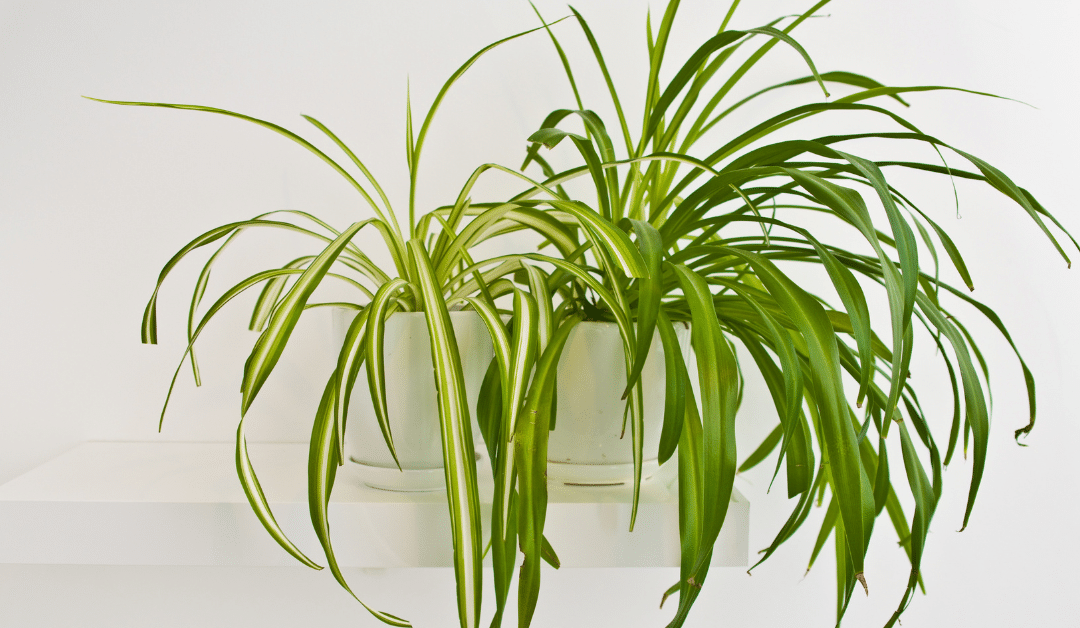
Few houseplants are as forgiving, beautiful, and versatile as the beloved spider plant. Known scientifically as Chlorophytum comosum, the spider plant has long been a household favorite thanks to its lush, arching leaves and easy propagation. For Pennsylvania homeowners, especially those dealing with the state’s varied seasons, spider plant care can be simple yet rewarding when you know the right steps.
At Riverview Tree & Landscaping Inc., we’ve seen countless new and seasoned plant enthusiasts discover the joy of growing spider plants indoors. Whether you’re placing one in a sunny window of your home or gifting a spider plant to a friend, we’ll cover everything you need to know about spider plant care, from light and watering to common problems and propagation.
Why Spider Plants Make the Perfect Starter Plant
If you’re new to indoor plants, spider plants are one of the best starting points. They adapt well to many environments, forgive occasional neglect, and produce spiderettes (baby plants) that make propagation fun and easy.
Pennsylvania’s climate makes indoor plants especially valuable during colder months. As winter closes in and daylight hours shrink, having greenery like spider plants indoors can brighten up your space. Their natural air-purifying qualities also make them a wonderful addition to homes, helping to filter out common household toxins.
Understanding the Basics of Spider Plant Care
To truly master spider plant care, it helps to break it down into a few core needs: light, water, soil, temperature, and fertilization.
Light Needs
Spider plants prefer bright, indirect light. In a Pennsylvania home, a north- or east-facing window is often ideal. They can tolerate some direct sunlight, but too much may cause leaf tips to brown. During winter, when daylight is limited, consider moving your spider plant closer to a window or supplementing with a grow light.
Watering
One of the most common mistakes in spider plant care is overwatering. The roots store water, so they don’t need constant moisture. A good rule of thumb: water thoroughly when the top inch of soil feels dry. In the drier winter months, you may need to water a little more frequently to combat indoor heating systems, but always check the soil first.
Soil and Potting
Spider plants thrive in well-draining soil. A standard potting mix works fine, but mixing in perlite or sand improves drainage. Always use pots with drainage holes to avoid root rot.
Temperature & Humidity
Ideal temperatures range between 60–75°F, which matches most Pennsylvania households year-round. Spider plants can tolerate short dips below 50°F but should never be exposed to frost. While they prefer moderate humidity, they adapt well to average home conditions.
Fertilization
During spring and summer, feed your spider plant with a balanced liquid houseplant fertilizer about once a month. In fall and winter, reduce or skip fertilizing since the plant’s growth slows down.
Seasonal Spider Plant Care in Pennsylvania
Because Pennsylvania experiences all four seasons, adjusting spider plant care slightly throughout the year will keep your plant thriving.
- Spring: Prime growing season. Repot rootbound plants, fertilize monthly, and trim any dead leaves.
- Summer: Protect your plant from too much direct sunlight, especially in southern-facing windows. Watch watering frequency as heat can dry the soil quickly.
- Fall: As daylight shortens, spider plants naturally slow their growth. Reduce fertilization.
- Winter: With indoor heating and less light, keep an eye on soil moisture and humidity. If the tips brown, try misting occasionally or using a humidity tray.
Common Problems and How to Solve Them
Even though spider plants are easygoing, a few common issues may arise:
- Browning leaf tips: Caused by overfertilization, fluoride in tap water, or dry air. Try watering with distilled water and trimming tips.
- Yellowing leaves: Usually a sign of overwatering. Let the soil dry more thoroughly between waterings.
- Rootbound plants: Fast-growing spider plants often outgrow their pots. Repot when roots circle the pot or poke out of drainage holes.
- Pests: Occasionally attract aphids, spider mites, or mealybugs. Wipe leaves regularly and treat infestations with insecticidal soap.
The Fun of Propagation
One of the most enjoyable parts of spider plant care is propagation. Mature plants often send out long stems with spiderettes dangling from them. These can easily grow into new plants.
You can propagate by:
- Cutting off spiderettes and placing them in water until roots form
- Planting spiderettes directly into the soil while still attached to the mother plant, then trimming once established
This makes spider plants wonderful for sharing. Gift them to friends or add them to other rooms in your home.
Styling Spider Plants in Your Home
Because of their arching leaves and cascading spiderettes, spider plants are especially beautiful in hanging baskets. They also make striking centerpieces on shelves or countertops. At Riverview’s garden center, we often recommend pairing spider plants with decorative ceramic pots or woven baskets to match your interior style.
Spider plants also do well in mixed arrangements. Pairing them with trailing ivy or upright ferns creates a lush, layered look.
The Local Touch: Spider Plant Care for Pennsylvania Residents
Pennsylvania homes often deal with fluctuating humidity, drafty windows in older homes, and shorter days in winter. Spider plants are adaptable enough to thrive in these conditions, but here are a few local tips:
- Place spider plants near humidifiers during winter to combat dry heat
- Keep them away from drafty windows to avoid cold stress
- Maximize light in winter by placing them near south-facing windows, but shield from harsh sun in summer
Why Buy Your Spider Plant from Riverview?
At Riverview Tree & Landscaping, we don’t just sell plants. We offer something special:
- Healthy, locally sourced plants carefully selected by experts
- Staff with years of spider plant care experience who can answer your questions
- Access to pots, soil mixes, fertilizers, and pest solutions that fit your plant’s needs
- A welcoming garden center atmosphere in Temple, PA, where you can browse and get inspired
FAQs About Spider Plant Care
Do spider plants need direct sunlight?
No. They prefer bright, indirect light. Direct sun may scorch the leaves.
How often should I water my spider plant?
Typically, once a week, but always check soil moisture first.
Why are the tips of my spider plant brown?
This can result from fluoride in tap water, low humidity, or fertilizer buildup.
Can spider plants be kept outdoors in Pennsylvania?
Yes, in summer. But they must be brought indoors before temperatures drop below 50°F.
How do I repot my spider plant?
Choose a pot 1–2 inches larger, use fresh, well-draining soil, and gently loosen the roots before transplanting.
Healthy Spider Plants, Happy Homes
Spider plant care is simple, rewarding, and perfect for both beginners and seasoned plant lovers in Pennsylvania. By providing the right light, watering schedule, and seasonal adjustments, you’ll enjoy lush, healthy growth year-round. Plus, with easy propagation, you can expand your plant collection or share the joy with friends and family.
At Riverview Tree & Landscaping, we believe plants should not only beautify your home but also enrich your lifestyle. Our expert staff is here to help you select, style, and care for spider plants so they thrive in your space.
Stay up to date with the latest at Riverview Tree and Landscaping by following us on Instagram and Facebook.
Recent Comments