
A small yard or patio doesn’t mean you have to sacrifice beauty or creativity. With the right approach, even the tiniest outdoor area can become a lush and welcoming retreat. Smart garden landscaping makes it possible to transform compact spaces into something vibrant, organized, and full of personality.
At Riverview Tree & Landscaping, we believe that great design is about intention, not size. Whether you live in a townhouse with a small backyard, have a narrow side yard, or simply want to add greenery to a patio, garden landscaping can bring new life to your space.
We’ll share how to design, organize, and maintain small outdoor spaces so they feel larger, more comfortable, and connected to your home.
Why Garden Landscaping Matters in Small Spaces
When space is limited, every square foot counts. The right garden landscaping plan helps you create depth, define zones, and boost curb appeal. By combining plants, textures, and hardscape features wisely, you can make a small area feel open and natural, not cluttered.
- Create visual depth and layering
- Define areas for seating, planting, or décor
- Improve drainage and functionality
- Add color and movement without crowding
- Enhance property value and curb appeal
Start with a Vision and a Plan
Before planting or purchasing anything, outline your goals. In small spaces, planning ahead saves time and resources. Ask yourself how you’ll use the area, whether that’s relaxation, entertaining, gardening, or play, and how much maintenance you’re comfortable with.
Sketch your layout or work with professional landscapers to visualize how different elements fit together. Proportion and symmetry can create the illusion of more space while ensuring every feature has a purpose.
Make the Most of Vertical Space
When you can’t expand outward, grow upward. Vertical gardening is one of the best small-space strategies in garden landscaping. Use trellises, wall planters, and hanging baskets to increase planting area without losing ground space. Climbing plants like ivy, clematis, or roses add lush greenery and privacy.
On patios or balconies, stagger potted plants on shelving or stands to create dimension and flow.
Choose the Right Plants for Scale
Plant size and growth habits matter more in compact spaces. Oversized shrubs can overwhelm your layout, while smaller species add balance. Choose plants that suit Pennsylvania’s climate and the proportions of your yard.
- Dwarf hydrangeas for compact color
- Boxwood for evergreen structure
- Coneflowers, black-eyed Susans, and sedum for bright seasonal blooms
- Ornamental grasses for texture
- Creeping thyme or moss for low ground cover
Mix perennials and evergreens for year-round appeal.
Layer for Depth and Texture
Layering plants from low to tall creates the illusion of space and truly sets your garden landscaping apart. Place short ground covers near walkways, medium-height flowers in the center, and taller plants or small trees toward the back. Combine smooth leaves with feathery grasses or textured flowers to make the design feel intentional and dynamic.
Use Containers and Raised Beds
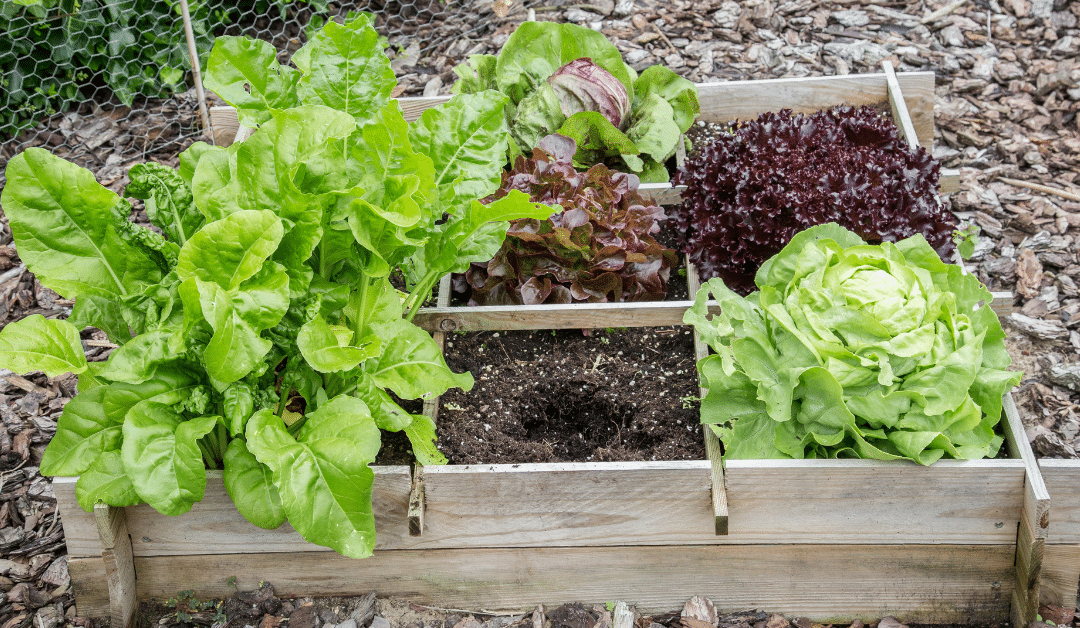
Containers and raised beds are flexible tools for small yards or patios. Move pots seasonally or group them in threes for balance. Mixing materials like terracotta, ceramic, and metal adds visual interest. Raised beds simplify maintenance and improve soil quality, especially where drainage is poor.
For height, use tall planters with cascading flowers or ornamental grasses that draw the eye upward.
Add Structure with Hardscaping
Hardscape features bring organization and character to a garden. Walkways, retaining walls, or stone borders define zones and create flow. Even in small spaces, a few well-chosen materials make a big difference.
- Stone or paver paths for structure
- Low retaining walls that double as seating
- Compact water features for sound and movement
- Decorative gravel or stepping stones to divide areas
Choose materials that blend naturally with your plants, such as local stone or brick, for a cohesive look.
Use Lighting to Expand the Space
Lighting adds warmth, safety, and depth. Soft lighting highlights focal points like trees, planters, or pathways. String lights or lanterns create cozy ambiance, while step lights improve visibility. Lighting vertical elements can also make your garden feel taller and more open.
Design for Function and Flow
Every inch should serve a purpose. Arrange furniture and paths to allow easy movement, avoiding narrow walkways or crowded layouts. Curved lines and diagonal paths can visually expand your space and make it feel more dynamic.
Incorporate Seasonal Interest
A successful design should evolve with the seasons. In Pennsylvania, this means planning for changing colors and textures year-round.
- Spring: Early bulbs and flowering shrubs
- Summer: Bright perennials and annuals
- Fall: Ornamental grasses and warm foliage
- Winter: Evergreens and bark texture
Create Focal Points
Every small garden benefits from a central feature like a decorative pot, birdbath, or piece of art. One or two focal points help structure the layout and add personality without cluttering the space. These kinds of decor add an extra layer to your garden landscaping and bring it to the next level.
Mix Greenery with Outdoor Living
Combine beauty and function by adding a small seating area or table. Surround it with low plants or container arrangements for privacy and comfort. Hanging baskets or wall planters are great for shaded spots where ground planting is limited.
Sustainable Garden Landscaping
Eco-friendly landscaping helps conserve resources and supports local ecosystems. Choose native plants like coneflower, goldenrod, or switchgrass for low-maintenance beauty. Install drip irrigation or use rain barrels to conserve water. Composting leaves and garden waste keeps soil healthy naturally.
Common Mistakes to Avoid
- Overcrowding plants that outgrow the space
- Ignoring proportion between plants and hardscapes
- Using too many decorative items at once
- Neglecting lighting or vertical options
- Forgetting seasonal updates
A professional landscape consultation can prevent these mistakes and ensure your design stays balanced and functional.
Maintenance Tips for Small Gardens
- Prune regularly to maintain airflow and shape
- Refresh mulch each season to retain moisture
- Check container drainage and replace soil annually
- Inspect lighting and irrigation before each season
Consistent maintenance keeps compact spaces looking fresh and polished year-round. This way, you’re always getting the most out of your garden landscaping.
Garden Landscaping for Pennsylvania Homes
Local climate and soil conditions affect design success. In Berks County, clay-heavy soil benefits from compost and raised beds. Choose plants that thrive in humid summers and cold winters for lasting results.
At Riverview Tree & Landscaping, our team understands how to create small gardens that work with local soil, weather, and plant species. Our expertise ensures every space feels natural, balanced, and beautiful.
Bringing It All Together
A small yard can still make a big impression with the right garden landscaping plan. By maximizing vertical space, layering plants, adding structure, and maintaining flow, you can turn even a small area into a peaceful retreat full of charm and color.
Whether you want a full landscape redesign or simple seasonal updates, we can help you bring your ideas to life. Our experienced team specializes in customized garden landscaping solutions that fit your space, style, and budget.
Contact us today to learn more about transforming your outdoor space.
Stay up to date with the latest at Riverview Tree and Landscaping by following us on Instagram and Facebook.
Recent Comments