
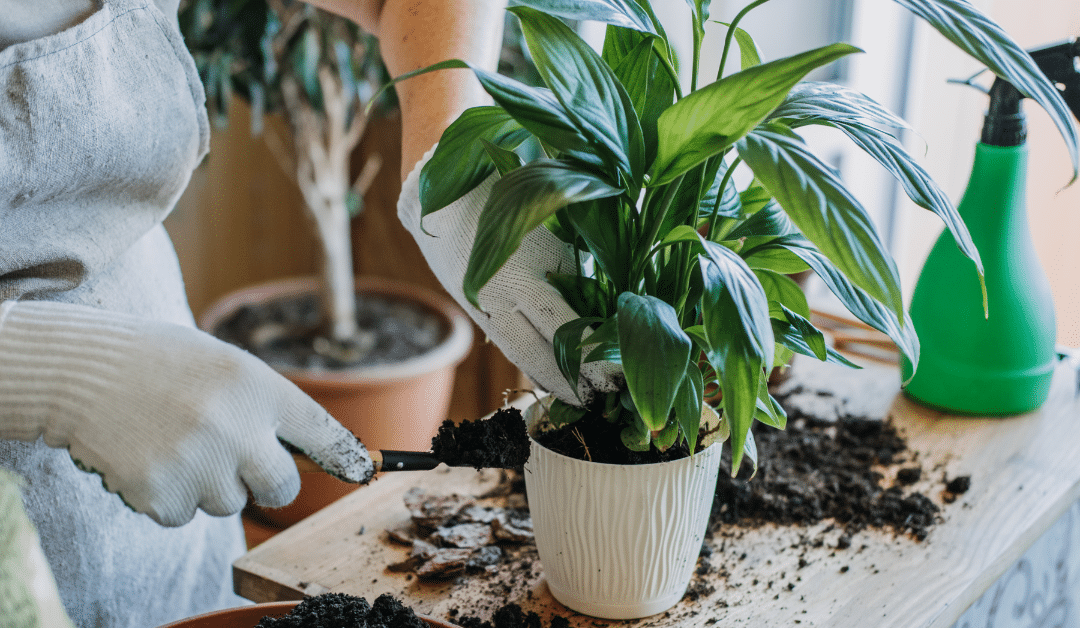
As the air cools and the days grow shorter, many homeowners shift their focus from outdoor gardens to indoor greenery. The arrival of fall and winter brings unique challenges for every house plant, from reduced sunlight and lower humidity to fluctuating indoor temperatures. Without the right seasonal care, even the healthiest plants can struggle.
At Riverview Tree & Landscaping, we help plant lovers keep their indoor collections thriving year-round. Whether you have a few small succulents, a lush monstera, or an entire indoor jungle, this guide will walk you through everything you need to know about seasonal house plant care. With a few small adjustments, your plants can stay strong, vibrant, and full of life all winter long.
Understanding How the Seasons Affect Your House Plants
During fall and winter, both light and humidity decrease dramatically. These environmental changes slow plant growth, alter watering needs, and can stress tropical species that prefer stable warmth.
Pennsylvania homes often experience:
- Shorter daylight hours and weaker sunlight
- Dry indoor air from heating systems
- Cooler windowsills and drafty areas
- Less active plant growth
Recognizing these seasonal differences is the first step in proper house plant care. Instead of maintaining the same routine you used during summer, focus on adapting your watering, lighting, and feeding schedule to match your plants’ slower metabolism.
Adjusting Watering Habits
Overwatering is one of the most common mistakes in winter house plant care. Because growth slows down, plants use less water and the soil stays moist longer.
Before watering, check the top inch of soil with your finger. If it still feels damp, wait another few days. Many house plants only need water every 10–14 days during colder months. Succulents and cacti may require even less.
Always use pots with drainage holes, and avoid letting excess water collect in saucers. Standing water can quickly lead to root rot. It’s also best to water with room-temperature water, since cold tap water can shock delicate roots.
If your home has forced-air heat, the air may dry soil more quickly in certain rooms. Keep an eye on plants near vents or radiators and adjust your schedule accordingly.
Maximizing Natural and Artificial Light
As daylight fades earlier in fall, indoor plants often struggle to get enough light. Many tropical species, like philodendrons and fiddle-leaf figs, depend on consistent sunlight to maintain healthy growth.
To help your house plants during fall and winter:
- Move them closer to south- or west-facing windows for stronger light.
- Rotate pots every week so all sides receive equal exposure.
- Keep leaves clean by gently wiping dust away to allow better light absorption.
If natural light is limited, consider using grow lights. Full-spectrum LED lights mimic sunlight and can make a huge difference for plants during darker months. Position them 12–18 inches above the foliage and keep them on for 10–12 hours per day.
Controlling Temperature and Avoiding Drafts
Temperature consistency is key to seasonal house plant care. Most common indoor species prefer conditions between 60 and 75°F. Sudden fluctuations can shock plants, causing leaf drop or slow growth.
Keep plants away from cold windows, exterior doors, and heating vents. If you like placing plants near a window for sunlight, ensure the glass is properly insulated so nighttime temperatures don’t drop too low.
On the other hand, avoid setting plants too close to heaters or fireplaces. Constant hot air can dry out leaves and soil faster than expected. A small digital thermometer can help you monitor microclimates around your home.
Managing Humidity Indoors
One of the biggest challenges in Pennsylvania winters is dry indoor air. Most tropical house plants, such as calatheas and ferns, prefer humidity levels between 40% and 60%. When indoor air drops below that range, leaves may brown or curl at the edges.
There are several easy ways to boost humidity for your plants:
- Group plants together to create a mini-microclimate.
- Use a small room humidifier near your collection.
- Place water-filled pebble trays under pots, ensuring the bottom of the pot sits above the water line.
- Mist plants occasionally, though misting alone doesn’t replace steady humidity.
Adding humidity helps keep foliage lush and reduces stress caused by dry air.
Feeding and Fertilizing During Dormancy
Because most plants slow their growth in winter, heavy fertilization can do more harm than good. Too much fertilizer can lead to nutrient buildup and damage roots.
During fall and winter, reduce feeding frequency to once every six to eight weeks or pause entirely until spring. If you notice new growth on a particular house plant, you can apply a diluted all-purpose fertilizer at half strength.
By scaling back, you give your plants a natural rest period that prepares them for vigorous spring growth.
Pruning and Grooming for Seasonal Health
Fall is an excellent time to tidy your house plants. Pruning encourages better airflow and removes dying or yellowing leaves that might attract pests.
Use clean, sharp scissors or pruning shears to trim away dead foliage and faded flowers. For vining plants like pothos or philodendrons, cut back long stems to maintain shape and encourage fuller growth when spring arrives.
Wiping leaves with a damp cloth also removes dust, allowing your plants to breathe and absorb light more efficiently.
Pest Prevention in Cooler Months
Even indoors, pests can become a problem. Dry, warm environments created by heating systems can attract spider mites, aphids, and fungus gnats.
Inspect plants regularly, especially the undersides of leaves and the soil surface. If you notice small webs, sticky residue, or tiny flying insects, isolate the affected plant and treat it with insecticidal soap or neem oil.
Good airflow and moderate humidity discourage pest infestations. You can also use a small fan on low speed in rooms where plants are densely grouped.
Repotting and Soil Refresh Tips
Fall and winter are generally not the best times for major repotting because most plants are semi-dormant. However, you can still refresh the top layer of soil or move plants into slightly larger containers if roots are becoming crowded.
Replace the top inch or two of soil with fresh potting mix to replenish nutrients. When you do repot in early spring, choose high-quality soil blends designed for your specific plant type, succulents, tropicals, or foliage varieties, each benefits from different drainage levels.
For now, gentle soil care is enough to maintain healthy house plants through the colder months.
Creating a Cozy Winter Plant Display
Beyond plant care, fall and winter are the perfect time to enjoy your indoor greenery as part of your home décor. Rearranging your collection can make the most of available light and create a warm, welcoming atmosphere.
Try these design ideas:
- Group plants by color or texture for visual harmony.
- Use decorative pots in earthy or neutral tones that complement the season.
- Incorporate hanging planters to draw the eye upward and save floor space.
- Add string lights or candles nearby for cozy winter ambiance.
Your house plants don’t just survive the season – they help bring nature indoors when everything outside feels bare.
Seasonal House Plant Checklist
To keep your indoor garden thriving from October through March, follow this simple checklist:
- Check soil moisture before watering
- Clean leaves regularly
- Maintain consistent room temperatures
- Increase humidity where needed
- Cut back on fertilizer
- Watch for pests every week
- Rotate plants toward available light
- Avoid repotting unless necessary
Small, consistent care habits make a big difference for every house plant during fall and winter.
The Local Advantage: Caring for House Plants in Pennsylvania
Homes in Pennsylvania face unique seasonal conditions with bright but short winter days, dry indoor heat, and wide temperature swings between rooms. These factors can stress sensitive species if care routines stay the same year-round.
At Riverview Tree & Landscaping, our expert team understands how to help plants thrive in our region’s changing seasons. Whether it’s recommending hardy indoor species, providing lighting and soil solutions, or offering repotting services at our garden center, we give homeowners confidence that their plants will stay healthy from one season to the next.
Our team can also guide you in selecting new plants that fit your environment. For example, snake plants and ZZ plants are ideal for cooler rooms with lower light, while ferns and calatheas thrive in humid areas like bathrooms. Having the right mix ensures your home stays green even in the darkest months.
Preparing for Spring
Late winter is a great time to start preparing your house plants for renewed growth. Around February or March, gradually increase watering frequency and light exposure as daylight hours lengthen. You can resume regular fertilization once new shoots appear.
By easing your plants into an active growth cycle, you help them rebound stronger and healthier for spring and summer. This transition is also the perfect moment to repot, refresh soil, and experiment with new plant varieties available at our garden center.
Bringing It All Together
Caring for house plants through fall and winter may take a little extra attention, but the rewards are worth it. A thriving indoor garden adds life, color, and calm to your home even as the weather outside turns cold.
By adjusting watering, light, and humidity, pruning regularly, and staying alert for pests, you can keep your plants happy all season long. Every step you take now builds a foundation for vibrant spring growth.
If you’re looking for advice, plant supplies, or expert guidance, we’re here to help. From selecting the right indoor plants to teaching you how to care for them year-round, our team brings experience and passion to every home garden.
Stay up to date with the latest at Riverview Tree and Landscaping by following us on Instagram and Facebook.
Recent Comments