
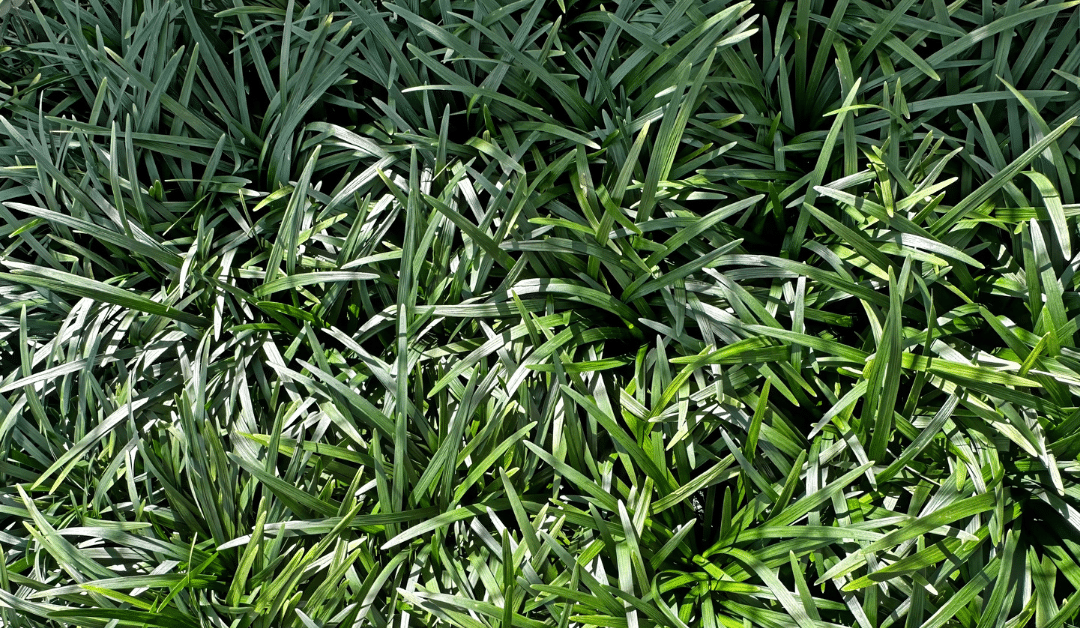
Shaded areas can be some of the most unique and challenging parts of a landscape to design. Whether you have a yard surrounded by mature trees, a north-facing property, or a home with architectural features that block the sun, finding the right plants can feel overwhelming. Many homeowners assume that a lack of sunlight limits their landscaping options, but shade gardens can be just as beautiful and dynamic as full-sun spaces with the right choices.
This is where ground cover plants come in. These low-growing, spreading varieties are ideal for filling shaded areas with texture, color, and long-lasting greenery. They help reduce erosion, block weeds, and create a cohesive design that ties the landscape together.
Why Ground Cover Plants Are Perfect for Shady Areas
Ground cover plants are uniquely suited for shade because they naturally spread, adapt to lower light levels, and help fill spaces where turf or flowering plants may struggle. They provide several advantages:
- They reduce weeds by covering exposed soil
- They help prevent erosion, especially under trees or on slopes
- They introduce color, texture, and softness to areas that often feel bare
- They require minimal maintenance once established
- They create a unified, polished look across the landscape
Shady areas often have compacted soil, tree roots, or inconsistent light patterns. Ground cover plants can tolerate these conditions better than many traditional landscape choices, making them essential for designing shaded spaces with both function and beauty.
Understanding Shade Types
Before diving into plant options, it is important to understand the different levels of shade. This helps you select the best ground cover plants for your exact conditions.
- Light shade: Dappled or filtered sunlight for part of the day
- Part shade: 2 to 4 hours of shade, typically morning or afternoon
- Full shade: Little to no direct sunlight, often under dense tree canopies or beside buildings
Choosing ground cover plants that match your level of shade ensures healthier growth and better long-term performance.
Best Ground Cover Plants for Deep Shade
For areas that receive little to no direct sunlight, these ground cover plants are some of the most reliable and attractive options.
Sweet Woodruff
Sweet woodruff is a delicate, fragrant plant with star-shaped leaves and small white spring flowers. It grows well under trees and forms a soft carpet that spreads gradually.
Pachysandra
One of the most popular ground cover plants for shade, pachysandra is evergreen, hardy, and very low-maintenance. It thrives in deep shade and creates a dense, glossy green mat.
Vinca Minor
Also known as periwinkle, Vinca minor offers glossy leaves and purple or blue flowers in spring. It spreads steadily and performs well in even the darkest corners of a landscape.
Moss
For extremely moist, compacted, or heavily shaded areas, moss is an excellent natural solution. It grows where other plants fail and creates a serene, velvety surface.
These ground cover plants offer structure and year-round appeal, making them perfect for challenging shaded environments.
Ground Cover Plants for Part Shade
If your yard receives dappled sunlight or partial shade, you have even more options. These varieties thrive in cooler, lower-light conditions while still offering vibrant color and texture.
Lamium
Lamium is a beautiful, adaptable plant with silver-patterned leaves and pink, purple, or white flowers. Its shimmering foliage brightens shaded areas instantly.
Ajuga
Ajuga, also called bugleweed, provides ground-hugging foliage in shades of green, bronze, or burgundy. Its spring flower spikes add vertical interest to shade gardens.
Wild Ginger
This Pennsylvania native grows heart-shaped leaves that create a thick, attractive carpet. It thrives under trees and tolerates difficult root competition.
Coral Bells (Heuchera)
While not a traditional ground cover, coral bells serve beautifully as a low-growing border in part shade. Their colorful foliage adds richness to shade-heavy landscapes.
These ground cover plants provide a reliable structure while adding pops of color that keep shaded spaces from feeling flat.
Native Ground Cover Plants for Pennsylvania
Using native ground cover plants helps support local ecosystems, pollinators, and soil health. They also tend to be more drought-tolerant and low-maintenance. Some excellent Pennsylvania-native options include:
- Foamflower
- Golden Groundsel
- Christmas Fern
- Pennsylvania Sedge
Each of these ground cover plants thrives naturally in shaded woodland environments and fits perfectly into local landscapes.
Designing Shade Gardens with Ground Cover Plants
Designing with ground cover plants is not just about filling empty spaces. It is about creating layers, softness, and visual flow.
Focus on Texture
Shaded areas benefit from rich textures that add dimension. Pair glossy leaves with feathery ferns, or combine creeping plants with taller perennials for balance.
Use Curving Borders
Curved planting lines help guide the eye and soften dark corners. This technique makes shaded areas feel more intentional and connected to the rest of your garden.
Combine Multiple Varieties
Mixing ground cover plants can create a layered, woodland-inspired design. For example, pair lamium with ajuga or interplant wild ginger with foamflower for added interest.
Add Hardscape Features
Stone paths, small seating areas, or decorative boulders look especially beautiful surrounded by ground cover plants. Hardscapes also help break up dense plantings and define spaces.
Riverview Tree & Landscaping’s design team can help you create a custom layout that enhances the natural beauty of shaded areas while complementing the rest of your property.
Planting Tips for Success
To ensure your ground cover plants thrive in shade, follow these best practices:
- Prepare the soil by removing weeds and adding compost
- Water deeply during the first growing season to promote strong roots
- Space plants appropriately so they can spread without overcrowding
- Mulch lightly to help retain moisture
- Avoid heavy foot traffic until plants are fully established
Shaded areas often have thick roots from nearby trees, so planting small plugs or starter sizes is easier than trying to dig large holes.
Maintaining Ground Cover Plants Through the Seasons
Once established, most ground cover plants require minimal care, but seasonal maintenance helps keep them looking their best.
Spring
- Remove winter debris
- Trim back any winter damage
- Add a light layer of compost for nutrients
Summer
- Water during heat waves
- Monitor for weeds that may push through dense plantings
Fall
- Cut back spent foliage
- Add mulch before the soil freezes
Winter
- Most varieties require little attention
- Evergreen ground covers provide valuable winter interest
With consistent care, your ground cover plants will thrive year after year, creating a lush, low-maintenance landscape even in heavily shaded areas.
Common Problems in Shaded Areas and How to Solve Them
Shaded landscapes can present challenges, but the right strategies make them manageable.
Poor Soil Quality
Tree roots often compete for nutrients. Adding compost or using raised planting areas can help.
Excess Moisture
Some shaded areas stay damp. Choose moisture-loving ground cover plants like moss, lamium, or wild ginger.
Dense Root Competition
Plant ground covers that tolerate shallow root systems and tight conditions.
Limited Light
Select varieties specifically labeled for deep or full shade to ensure healthy growth.
Riverview’s landscape professionals can help diagnose and solve shade-related problems based on your specific property conditions.
The Value of Shade-Friendly Ground Covers
Adding ground cover plants to shaded areas transforms your landscape by:
- Improving curb appeal
- Reducing weed growth
- Preventing soil erosion
- Softening hard edges
- Creating natural, inviting spaces
Whether used under trees, between stepping stones, along walkways, or on slopes, these plants bring structure and life to areas that often go overlooked.
Bringing It All Together
Shaded areas do not need to be empty or forgotten parts of your yard. With the right ground cover plants, they can become some of the most beautiful and low-maintenance spaces on your property. By choosing varieties suited to Pennsylvania’s climate, understanding the light levels in your yard, and designing with texture and flow, you can create a landscape that thrives even in low light.
Riverview Tree & Landscaping Inc. offers expert guidance, plant recommendations, and professional installation services to help homeowners transform shaded areas with confidence. Whether you want a woodland-inspired garden or a simple, tidy ground cover, our Riverview team can bring your vision to life.
Ready to enhance your shade garden with the right plants?
Stay up to date with the latest at Riverview Tree and Landscaping by following us on Instagram and Facebook.
Recent Comments