
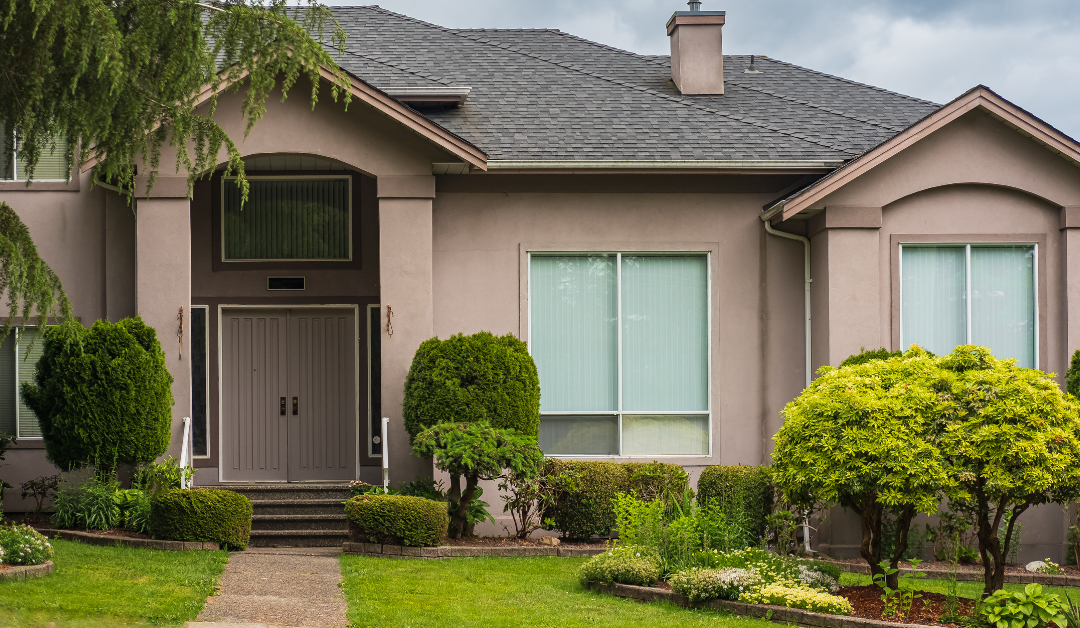
Your front yard plays an important role in the overall appearance of your home. It is one of the first things visitors and neighbors notice, and a thoughtfully designed landscape can make your entire property feel more welcoming. The challenge is creating that beautiful first impression without committing yourself to hours of watering, weeding, trimming, and planting every week.
Fortunately, an attractive front yard does not have to be difficult to maintain. Choosing plants that are suited to Pennsylvania’s climate, simplifying planting beds, and thinking carefully about long-term growth can significantly reduce the amount of work your landscape requires. The best landscaping ideas for front of house combine curb appeal with practical design choices that continue looking attractive without demanding constant attention.
At Riverview Tree & Landscaping Inc, homeowners can find the plants, products, and professional guidance needed to create outdoor spaces that complement their properties. If you are ready to simplify your front yard, these six ideas can provide plenty of inspiration.
Why Choose a Low-Maintenance Front Landscape?
Landscaping should enhance your enjoyment of your home, not create another long list of chores. While every landscape requires some level of care, proper planning can dramatically reduce routine maintenance.
Low-maintenance landscapes can require less frequent watering, pruning, replanting, and weeding. They are particularly helpful for busy families, frequent travelers, older homeowners, or anyone who would simply rather spend their free time enjoying their yard instead of constantly working in it.
When considering landscaping ideas for front of house, it is helpful to think beyond how plants look when they are first installed. Consider their mature size, water requirements, growth habits, seasonal appearance, and the amount of maintenance they will require several years from now.
Making these decisions early can help create a landscape that becomes easier to manage as it matures.
1. Choose Native Pennsylvania Plants
One of the easiest ways to simplify landscape maintenance is to choose plants that are naturally adapted to the region.
Pennsylvania native plants have evolved alongside the area’s soil conditions, seasonal temperatures, rainfall patterns, and local wildlife. When planted in suitable locations, many native species require less supplemental watering and intervention after they become established.
Native plants can also provide valuable food and habitat for birds, butterflies, bees, and other beneficial wildlife.
Some options worth considering for Pennsylvania landscapes include black-eyed Susans, coneflowers, butterfly weed, Pennsylvania sedge, switchgrass, little bluestem, and native varieties of shrubs and trees.
The right choices will depend on the amount of sunlight, available space, soil conditions, and overall design of your property. Among practical landscaping ideas for front of house, using plants already suited to the regional environment can provide both long-term beauty and easier care.
Native plants do not require homeowners to sacrifice appearance either. Combining flowering perennials with grasses, shrubs, and ground covers can create layered planting beds with color and texture throughout the growing season.
2. Build Your Landscape Around Perennials
Annual flowers can create spectacular seasonal displays, but they generally need to be replaced each year. For homeowners interested in reducing maintenance, perennials provide a useful alternative.
Perennials return for multiple growing seasons, eliminating the need to completely replant your flower beds every spring. Many varieties also become fuller and more impressive as they mature.
Coneflowers, black-eyed Susans, daylilies, salvia, and other dependable perennials can provide plenty of summer color. The key is selecting varieties suited to the specific conditions around your home.
You can still incorporate a few annuals in prominent areas, such as containers near the front entrance, while allowing perennials to make up the majority of your planting beds.
This approach gives you flexibility to change small pops of seasonal color without rebuilding the entire landscape every year. It is one of the landscaping ideas for front of house that provides a nice balance between variety and convenience.
Consider bloom times when selecting perennials as well. Combining plants that flower at different points throughout the growing season helps prevent your entire landscape from blooming at once and then becoming visually quiet for the remainder of the year.
3. Use Mulch to Reduce Weeding and Watering
Mulch may not be the most exciting part of landscape design, but it can have a major impact on both appearance and maintenance.
A properly maintained layer of mulch helps suppress weeds by limiting the amount of sunlight that reaches weed seeds. It also helps soil retain moisture during warm summer weather, reducing how quickly planting beds dry out.
Organic mulch gradually decomposes and contributes organic matter to the soil. Visually, fresh mulch creates a clean background that helps colorful flowers, shrubs, and foliage stand out.
Instead of creating numerous small planting areas scattered across the lawn, consider establishing larger, clearly defined mulched beds. This can make mowing easier while creating a more intentional landscape design.
Of all the landscaping ideas for front of house, mulch is one of the simplest ways to make a noticeable visual improvement while simultaneously reducing routine maintenance.
Be careful not to pile mulch excessively around tree trunks or plant stems. Applying the appropriate amount allows you to receive its benefits without creating unnecessary problems for your plants.
4. Select Shrubs Based on Their Mature Size
Shrubs create structure and help connect your home’s architecture with the surrounding landscape. However, selecting the wrong shrubs can quickly turn a low-maintenance landscape into a constant pruning project.
A small shrub at the garden center may eventually become several feet taller and wider. If it is planted directly beneath a window or too close to a walkway, frequent trimming may eventually become necessary just to keep it contained.
Before purchasing a shrub, consider its expected mature height and width. Select varieties that naturally fit the space available rather than relying on pruning to control plants that are simply too large for the location.
Shrubs can be particularly useful around foundations because their foliage provides a consistent backdrop for flowering perennials and seasonal accents.
When researching landscaping ideas for front of house, consider shrubs that provide more than one season of interest. Flowers, berries, evergreen foliage, colorful leaves, or interesting branching can help the landscape remain appealing beyond summer.
Thoughtful placement also matters. Leaving enough room between plants allows air to circulate and gives shrubs space to develop their natural shapes without becoming overcrowded.
5. Use Ground Covers in Difficult Areas
Some areas of a front yard are simply difficult to maintain as traditional lawn. Steep slopes, spaces beneath trees, narrow strips, and areas where grass struggles to grow can require considerable effort without ever looking their best.
Ground cover plants can provide an attractive alternative.
Depending on the site’s conditions, ground covers can gradually fill open soil and help suppress weeds. They can also soften the edges of planting beds and create a transition between larger shrubs, trees, and lawn areas.
Pennsylvania sedge can work beautifully in certain locations, while other ground cover options may be appropriate depending on sunlight and moisture levels.
The goal is not necessarily to eliminate every inch of lawn. Instead, identify areas where grass consistently struggles or requires disproportionate maintenance and consider whether another planting solution would make more sense.
Using the right plant for a challenging location is one of the landscaping ideas for front of house that can make the property easier to maintain while turning previously troublesome spaces into intentional parts of the design.
6. Keep the Overall Design Simple
More plants do not automatically create a better landscape.
In fact, filling your front yard with dozens of unrelated plant varieties can increase maintenance and make the landscape feel visually cluttered. Each species may have different pruning, watering, fertilization, and growing requirements.
A simpler plant palette can create a more cohesive appearance while making routine care easier.
Choose several dependable plants and repeat them throughout the landscape. For example, groups of the same perennial can create stronger visual impact than individual specimens of many different varieties. Repeating shrubs or ornamental grasses can also help connect separate planting areas.
Think about the architecture of your home when deciding how formal or natural you want the design to appear. A traditional home may benefit from more structured foundation plantings, while another property may look beautiful with softer groupings of native grasses and flowering perennials.
Simple landscaping ideas for front of house can often produce some of the most polished results because every plant has a clear purpose within the overall design.
Think About All Four Seasons
A low-maintenance front yard should not require a complete redesign every time the seasons change.
Pennsylvania homeowners experience dramatically different landscapes throughout the year, from spring flowers and lush summer foliage to colorful autumn leaves and bare winter gardens. Designing with these transitions in mind can help your property remain attractive during every season.
Evergreens can provide dependable winter structure. Ornamental grasses may retain interesting seed heads and texture after summer ends. Deciduous shrubs can offer fall foliage, while spring-flowering plants bring the landscape back to life after winter.
Instead of focusing exclusively on summer blooms, choose a mixture of plants that reach their peak at different times.
This approach allows the appearance of the landscape to evolve naturally throughout the year without requiring homeowners to constantly replace plants.
Create a Front Entrance That Feels Welcoming
Low maintenance does not have to mean boring.
Your front entrance is an ideal place to concentrate slightly more detailed landscaping because it creates an immediate focal point. You might use colorful containers, flowering perennials, or attractive shrubs to draw attention toward the doorway.
Keeping the rest of the landscape relatively simple allows these focal areas to stand out even more.
Pay attention to visibility as plants mature. Landscaping should complement the entrance rather than hide it. Maintaining clear pathways and open sightlines also helps the property feel welcoming.
Strategic landscaping ideas for front of house allow you to concentrate color and personality where they will have the greatest impact instead of spreading high-maintenance plants throughout the entire yard.
Match Plants to Sunlight and Soil Conditions
One of the biggest secrets to reducing maintenance is remarkably simple: put the right plant in the right place.
A sun-loving perennial planted in deep shade may become thin and struggle to flower. A plant that prefers moist soil may require constant watering in a dry location. Even a beautiful plant can become frustrating when its basic needs do not match the conditions of the property.
Observe your front yard throughout the day before making major planting decisions. Determine which areas receive full sun, partial shade, or mostly shade.
Soil and drainage matter as well. Pay attention to locations that remain wet after rain and areas that dry particularly quickly.
Selecting plants based on existing conditions can reduce the amount of intervention needed to keep them healthy.
Avoid Common Low-Maintenance Landscaping Mistakes
Homeowners sometimes create more work for themselves while trying to simplify their landscapes.
One common mistake is placing plants too close together because the landscape initially appears sparse. Plants need room to reach their mature size. Overcrowding eventually creates competition and may require frequent pruning or transplanting.
Another mistake is choosing plants based entirely on their appearance at the time of purchase. Understanding mature size, growth habits, and environmental requirements is much more important for long-term success.
Similarly, low maintenance does not mean no maintenance. Plants still need appropriate watering while establishing their root systems, and beds will occasionally require weeding, pruning, mulching, and seasonal cleanup.
The most successful landscaping ideas for front of house reduce unnecessary work rather than attempting to eliminate landscape care entirely.
Why Professional Landscape Planning Can Save Time
Planning a front landscape involves more than choosing attractive flowers and shrubs. Mature plant size, sunlight, drainage, soil conditions, seasonal appearance, and maintenance preferences all influence how successful a landscape will be.
Professional planning can help homeowners avoid expensive mistakes such as installing plants in unsuitable locations or choosing varieties that quickly outgrow their available space.
Riverview Tree & Landscaping Inc can help homeowners select plants and create landscapes that complement their properties and individual preferences. If low maintenance is a priority, communicating that goal from the beginning allows the landscape to be designed accordingly.
Professional guidance can be especially useful when combining multiple landscaping ideas for front of house into one cohesive plan rather than making individual changes that may not work well together.
Create Curb Appeal That Works for Your Lifestyle
A beautiful front yard should make you feel good about coming home. It should not make you immediately think about everything that needs to be trimmed, watered, replanted, or weeded.
By choosing native plants, relying more heavily on perennials, using mulch effectively, selecting appropriately sized shrubs, incorporating ground covers, and keeping the overall design simple, you can significantly reduce the amount of time required to maintain your property.
The best landscaping ideas for front of house balance appearance with practicality. A landscape designed around Pennsylvania’s conditions and your preferred level of maintenance can provide curb appeal throughout the seasons without taking over your free time.
Whether you want to update a few planting beds or rethink your entire front landscape, Riverview Tree & Landscaping Inc can help you create an outdoor space that complements your home and fits your lifestyle.
Stay up to date with the latest at Riverview Tree and Landscaping by following us on Instagram and Facebook.
Recent Comments