
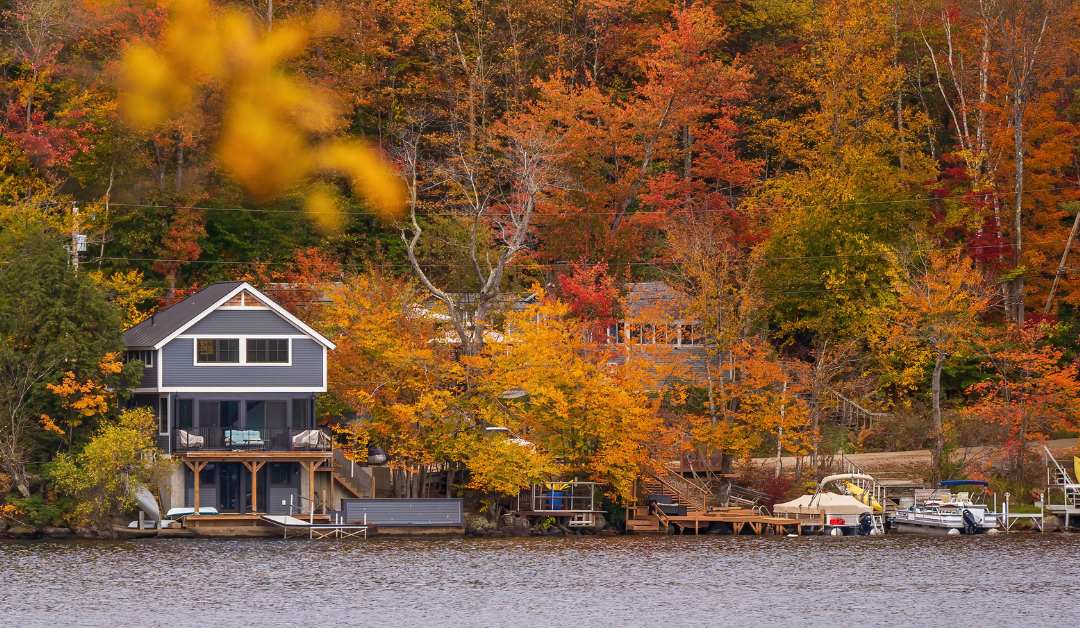
Fall is one of the most rewarding times of year to spend time outdoors in Pennsylvania. Summer heat begins to fade, leaves start changing color, and cooler temperatures create comfortable conditions for working around the yard. It is also an excellent opportunity to evaluate your landscape after a busy growing season and make improvements before winter arrives.
The right fall landscaping ideas can help your property look colorful and inviting while also preparing plants, trees, and garden beds for the months ahead. Some projects provide an immediate visual improvement, while others establish a stronger foundation for next spring. You do not necessarily need to redesign your entire property either. A few thoughtful changes can make a noticeable difference.
Whether you want more seasonal color, healthier planting beds, or simply a cleaner appearance, here are ten ways to refresh your landscape this fall.
1. Introduce Plants With Fall Color
Summer annuals are not the only way to bring color into your landscape. Autumn provides an entirely different palette, with rich reds, oranges, yellows, purples, and deep greens that can transform planting beds and entrances.
Mums are one of the most recognizable fall choices, but they are far from the only option. Asters can provide beautiful late-season flowers, while ornamental grasses add texture and movement. Native perennials such as goldenrod and certain asters can also provide valuable late-season resources for pollinators.
Shrubs and trees can contribute even more seasonal interest through changing foliage, berries, bark, and branching patterns.
When considering fall landscaping ideas, think beyond flowers alone. A combination of foliage, grasses, evergreens, flowering plants, and natural textures can create a landscape that feels distinctly autumnal without relying entirely on temporary decorations.
2. Refresh Your Mulch
By the end of summer, mulch can look faded, thin, or uneven. Refreshing landscaped beds is a relatively simple project that can immediately make the yard look cleaner and more defined.
Mulch also serves several practical purposes as temperatures begin to change. It helps conserve soil moisture, suppress weeds, and moderate soil temperatures around plant roots. Organic mulch will gradually break down and contribute organic material to the soil as well.
Before adding more, check the depth of the mulch that is already present. More is not always better. Excessive mulch can hold too much moisture against plant stems or tree trunks.
Trees should never have mulch piled directly against their trunks. Instead, mulch should be spread appropriately over the root area while leaving space around the base.
Among the easiest fall landscaping ideas, refreshing mulch offers an immediate improvement while supporting the plants already growing in your landscape.
3. Plant Trees and Shrubs
Many homeowners associate planting almost exclusively with spring, but fall can also be an excellent planting season for certain trees and shrubs.
Cooler air temperatures can reduce heat stress while soil may remain warm enough for roots to continue establishing. Fall rainfall can also help newly planted material, although supplemental watering may still be necessary depending on conditions.
The key is choosing appropriate plants and giving them enough time to begin establishing before the ground freezes.
Consider what your existing landscape is missing. A strategically placed tree could eventually provide shade, while shrubs can add structure around foundations, property boundaries, or planting beds. Evergreens can be especially useful for adding year-round color and screening.
Pennsylvania native trees and shrubs may also be worth considering because they are adapted to regional conditions and can support local wildlife.
Plant selection should always account for mature size. A small tree or shrub can become considerably larger over time, so consider nearby buildings, walkways, utility areas, and other plants before choosing its permanent location.
4. Clean Up Garden Beds Without Overdoing It
A little cleanup can dramatically improve the appearance of a fall landscape. However, that does not necessarily mean every garden bed needs to be stripped completely bare.
Remove obvious weeds, diseased plant material, and annuals that have finished for the season. Perennials can be evaluated individually. Some may benefit from being cut back at the appropriate time, while others can remain standing.
Seed heads and dried stems from certain plants can provide winter texture and may also offer food or habitat for birds and beneficial insects. Ornamental grasses, for example, can continue adding movement and visual interest long after their summer growth has ended.
This makes selective cleanup one of the more practical fall landscaping ideas for homeowners who want a neat property without removing every natural element from the landscape.
The goal should be intentional rather than perfectly bare. A well-planned fall garden can still have plenty of character after flowering season ends.
5. Add Seasonal Containers Near the Entrance
You do not have to make permanent changes to give your landscape a fresh fall appearance. Containers are an easy way to introduce seasonal interest exactly where you want it.
Front steps, porches, patios, and entrances are particularly good locations because a small display can have a significant visual impact.
Fall containers can combine mums, ornamental grasses, asters, ornamental cabbage or kale, and other plants suited to cooler conditions. Pumpkins and gourds can be incorporated around containers for additional seasonal character.
Consider varying the heights and textures of plants rather than choosing several identical containers. A taller grass or upright plant can provide structure, while lower plants soften the edges.
Because containers are easy to change, they allow homeowners to experiment with fall landscaping ideas without committing to a permanent planting arrangement.
As temperatures drop, keep an eye on weather conditions and the needs of the specific plants you select.
6. Evaluate Your Trees Before Winter
Fall is a useful time to take a closer look at the trees throughout your property.
Summer storms, strong winds, insects, disease, and general stress can leave behind damage that becomes easier to notice once foliage begins thinning. Look for dead or broken branches, unusual leaf loss, visible decay, cracks, leaning, or other changes that seem concerning.
Not every unusual-looking tree is necessarily unhealthy. Seasonal leaf changes are normal, and different species may begin dropping leaves at different times. However, significant structural problems or obvious damage deserve attention.
Trees located near homes, driveways, walkways, and other frequently used areas are particularly important to monitor before winter weather arrives.
Professional evaluation can help determine whether a tree needs attention and what type of care is appropriate. Avoid making assumptions about major pruning or removal based solely on appearance.
Including tree health in your fall landscaping ideas helps you think about the entire property rather than focusing only on flower beds and seasonal decorations.
7. Give Your Lawn Some Attention
Your lawn may have experienced plenty of stress during the summer. Heat, dry periods, foot traffic, pets, weeds, and regular mowing can all affect its appearance.
Early fall can provide an opportunity to evaluate thin or struggling areas. Depending on the lawn’s condition and timing, fall may be suitable for projects such as overseeding or addressing bare patches. Cool-season grasses commonly used in Pennsylvania can benefit from cooler temperatures and appropriate moisture during establishment.
Continue mowing while the lawn is actively growing rather than stopping simply because summer has ended. At the same time, avoid removing too much of the grass blade at once.
Leaves should also be managed as they begin accumulating. A light layer can sometimes be mulched with a mower, but thick layers of leaves left sitting on turf can block sunlight and trap moisture.
A healthy lawn provides a clean backdrop for other fall landscaping ideas and helps the entire property look more polished.
8. Divide and Reposition Established Perennials
Landscapes change over time. Plants grow larger, shade patterns shift, and beds that once looked balanced can become crowded.
Fall may be an appropriate time to divide certain established perennials, depending on the plant and local conditions. Dividing plants can help manage their size while giving you an opportunity to fill other areas of the landscape without purchasing entirely new plants.
You might discover that a perennial has become too large for a walkway or that several plants have grown together and lost their individual shapes. Moving or dividing suitable plants can restore spacing and create a more intentional design.
Before dividing anything, research the specific plant. Some perennials respond better to spring division, while others can be divided successfully during fall.
This is also a good opportunity to step back and evaluate the overall balance of your beds. Rather than adding new plants whenever an area looks empty, consider whether existing plants can be repositioned first.
9. Create More Year-Round Interest
Fall has a way of revealing which landscapes rely too heavily on summer flowers.
Once annuals fade and deciduous plants begin losing their leaves, some yards suddenly look much emptier. Instead of viewing this as a problem, use it as an opportunity to identify where additional structure could improve the landscape.
Evergreens are an obvious option because they maintain foliage throughout winter, but they are not the only solution. Ornamental grasses, shrubs with berries, trees with interesting bark, and plants with distinctive branching can continue contributing visual interest after flowers disappear.
Think in layers. Trees can provide height, shrubs create the middle structure, and grasses or perennials can fill the foreground.
One of the most valuable fall landscaping ideas is to design for more than one season. A landscape that includes spring blooms, summer color, fall foliage, and winter structure will continue changing throughout the year rather than peaking during one short period.
10. Start Planning for Spring
It may seem early to think about spring while leaves are still falling, but autumn is actually a great time to consider what you want your yard to look like next year.
Start by thinking about what worked well this season. Which plants thrived? Which areas consistently struggled? Were there spots that needed more shade, color, privacy, or structure?
You may notice that a bed receives more sunlight than expected or that a shrub has outgrown its original location. Taking note of these issues while they are fresh in your mind makes future planning much easier.
Fall is also associated with planting spring-flowering bulbs. Depending on your property and planting schedule, bulbs such as daffodils, crocuses, and tulips can provide welcome color when warmer weather returns.
Planning now gives you time to develop a cohesive approach instead of making rushed decisions when garden centers become busy in spring.
The best fall landscaping ideas often accomplish two goals at once: improving how your yard looks today while creating opportunities for an even better landscape next year.
Think Beyond Traditional Fall Colors
Red, orange, and yellow may define the season, but your landscape does not need to rely exclusively on traditional fall colors.
Deep green evergreens can provide contrast against changing foliage. Purple asters can complement warm autumn tones, while ornamental grasses introduce softer shades of tan and gold. Plants with berries can add small bursts of color later in the season.
Texture becomes increasingly important as flowers begin disappearing. Broad evergreen leaves, fine grasses, branching shrubs, seed heads, bark, and stone can all contribute visual variety.
Using a combination of color and texture makes the landscape feel more complete and helps it transition naturally toward winter.
Consider Pennsylvania’s Changing Weather
Fall weather in Pennsylvania can vary considerably. Warm afternoons may continue well into the season, while nighttime temperatures gradually become colder. Rainfall can also fluctuate from year to year.
Newly planted trees, shrubs, and perennials still need attention during this transition. Cooler weather does not automatically mean plants no longer require water. Newly installed plants should be monitored until the ground freezes and watered appropriately based on weather and soil conditions.
Containers may require particular attention because their soil can dry differently than garden beds.
Timing also matters when completing seasonal projects. Waiting until the last possible weekend can make planting and cleanup more difficult if temperatures suddenly drop.
Building flexibility into your fall landscaping ideas allows you to respond to actual conditions rather than relying exclusively on the calendar.
Do Not Forget About Wildlife
Your landscape is also part of a larger ecosystem.
Birds, bees, butterflies, and other wildlife use residential landscapes for food, water, shelter, and nesting opportunities. Fall is an important transition period for many species.
Native plants can be particularly valuable because they have relationships with regional wildlife. Leaving selected seed heads standing can provide food for birds, while avoiding excessive garden cleanup may preserve habitat for overwintering insects.
Trees and shrubs can provide additional shelter as temperatures decline.
You do not have to allow your entire yard to become untidy to support wildlife. Instead, aim for a thoughtful balance between maintained areas and natural features.
Refresh the Areas You See Most Often
If you do not have the time or budget to update the entire property this season, concentrate on high-impact areas.
The front entrance is an obvious starting point. Fresh mulch, a few containers, healthy shrubs, and clean bed edges can transform the approach to your home.
Other priorities might include planting beds visible from the street, areas around a patio, or sections of the yard you regularly see from inside your home.
Improving a few strategic locations can make the whole landscape feel refreshed without requiring a major renovation.
When evaluating fall landscaping ideas, prioritize projects based on both appearance and long-term usefulness. A new tree, healthier planting bed, or improved entrance can continue contributing to your property long after autumn decorations have been put away.
Create a Landscape You Can Enjoy Through Every Season
Fall does not have to signal the end of landscaping season. Instead, it offers a chance to enjoy a different side of your outdoor space.
Refreshing mulch, adding seasonal plants, evaluating trees, caring for the lawn, reorganizing perennials, introducing year-round structure, and planning for spring can all help your property transition smoothly from summer into cooler weather.
The most successful fall landscaping ideas combine seasonal beauty with thoughtful preparation. Rather than focusing only on what looks good for a few weeks, consider how each improvement will contribute to the health, appearance, and usability of your landscape throughout the year.
Riverview Tree & Landscaping Inc can help you explore plants and landscape solutions suited to your property and Pennsylvania’s changing seasons. Whether you are planning a small fall refresh or considering larger landscape improvements, thoughtful choices now can help create an outdoor space you enjoy well beyond autumn.
Stay up to date with the latest at Riverview Tree and Landscaping by following us on Instagram and Facebook.
Recent Comments