
Bringing greenery indoors adds warmth, color, and life to any space. But even the most enthusiastic plant owners occasionally run into challenges. If leaves are turning yellow, growth has slowed, or pests have appeared, you are not alone. Nearly every house plant owner experiences problems at some point.
The key to success is understanding what your plant is trying to communicate. Most issues are easy to correct once identified. At Riverview Tree & Landscaping Inc, we help homeowners troubleshoot indoor plant concerns every day.
1. Yellowing Leaves
Yellow leaves are one of the most frequent concerns among house plant owners. While it may look alarming, the cause is often simple.
Overwatering is the most common reason. When soil remains constantly wet, roots cannot breathe properly, which leads to stress and yellow foliage. Allow the top inch of soil to dry before watering again and make sure the pot has proper drainage.
In some cases, yellowing is simply natural aging. Older leaves near the base of a house plant may fade as new growth develops above.
2. Brown Leaf Tips
Brown tips usually signal environmental stress. Low humidity is a major factor, especially during Pennsylvania winters when indoor heating dries the air.
Increase humidity by grouping plants together or using a humidifier. Avoid placing your house plant near heating vents or drafty windows. Brown tips can also develop from salt buildup caused by fertilizer. Flushing the soil occasionally with distilled water can help reduce residue.
3. Wilting Leaves
Wilting often leads plant owners to assume they need more water, but that is not always the case. Both underwatering and overwatering can cause drooping.
Check soil moisture before reacting. If the soil feels soggy, roots may be suffocating. If it feels dry and compact, the plant likely needs hydration. Observing the soil is more reliable than following a strict watering schedule for any house plant.
4. Root Rot
Root rot develops when soil stays wet for too long. It causes roots to turn brown and mushy, preventing them from absorbing nutrients effectively.
To address this issue, remove the plant from its pot and trim away damaged roots. Repot in fresh, well-draining soil and reduce watering frequency. Choosing containers with drainage holes is essential for preventing root rot in any house plant.
5. Slow or Stunted Growth
If your plant seems stuck and is not producing new leaves, lighting may be the issue. Insufficient light reduces energy production and slows growth.
Move the house plant closer to a window that provides bright, indirect light. In darker homes, supplemental grow lights can make a noticeable difference. Seasonal light changes also affect growth patterns, especially in fall and winter.
6. Pests
Indoor plants can attract pests such as spider mites, aphids, and fungus gnats. Signs include tiny webs, sticky residue, or small insects flying near the soil.
Isolate the affected house plant immediately to prevent spreading. Gently wipe leaves with a damp cloth and treat with insecticidal soap or neem oil. Improving airflow and avoiding overwatering also reduces pest risk.
7. Dropping Leaves
Leaf drop can be a reaction to sudden environmental changes. Moving a house plant to a new location, shifting temperature, or changing light levels can cause temporary stress.
Allow the plant time to adjust. Keep care routines consistent and avoid frequent repositioning. Most plants recover once they adapt to their surroundings.
8. Pale or Faded Leaves
When leaves lose vibrancy, the plant may need nutrients. Over time, potting soil loses its nutritional value.
Feeding your house plant with a balanced fertilizer during the growing season can help restore healthy color. Avoid fertilizing heavily during winter, as most plants slow their growth during colder months.
9. Mold on Soil Surface
White or gray mold on soil often appears in damp environments. While usually harmless, it indicates excessive moisture and limited airflow.
Allow soil to dry more thoroughly between waterings. Improve air circulation and remove the moldy top layer of soil if needed. Proper drainage is essential for preventing mold in any house plant container.
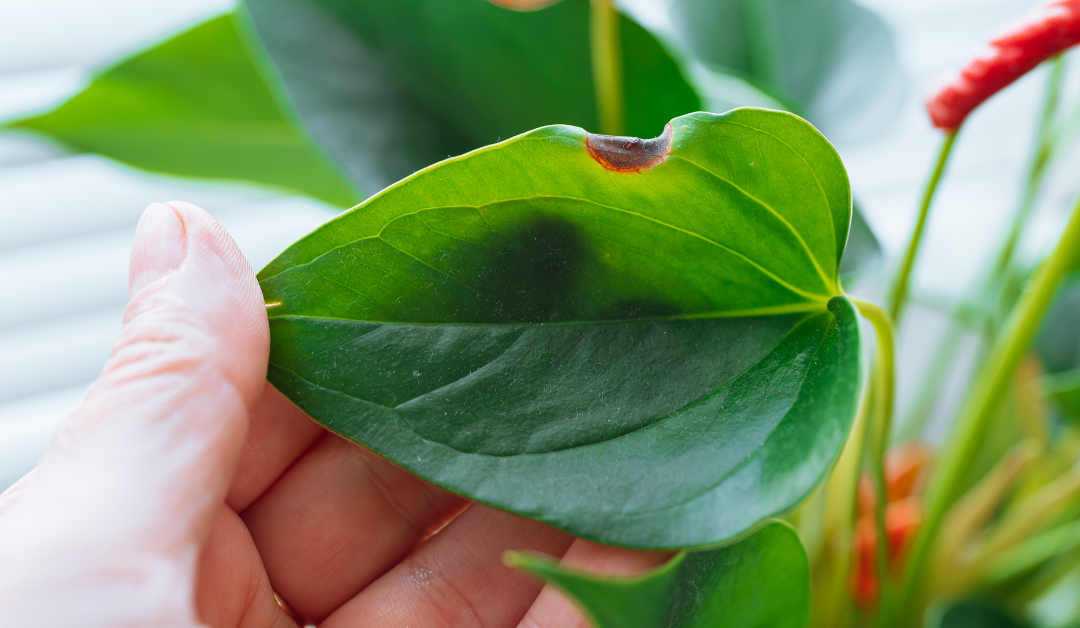
10. Brown Spots on Leaves
Brown spots can result from sunburn, fungal issues, or inconsistent watering. Direct sunlight through glass can scorch delicate foliage.
Move your house plant slightly away from intense sunlight and trim damaged leaves. Maintain steady watering practices to reduce stress-related spotting.
Preventing Problems Before They Start
Prevention is always easier than correction. Establishing healthy habits helps indoor greenery thrive.
Check soil moisture before watering. Provide adequate light based on plant type. Use quality potting mix and containers with drainage. Monitor temperature consistency, especially during seasonal transitions.
Understanding your plant’s natural environment helps you mimic those conditions indoors. When properly maintained, a house plant can remain healthy for years.
Seasonal Adjustments in Pennsylvania
Indoor conditions shift significantly throughout the year in Pennsylvania homes. Fall and winter bring shorter days and drier air. Spring and summer offer longer light exposure and increased humidity.
Adjust watering schedules according to growth cycles. Rotate plants toward available light. Reduce fertilizer use during dormant months. Paying attention to seasonal changes protects each house plant from avoidable stress.
When to Seek Professional Advice
Sometimes, despite your best efforts, problems persist. Consulting knowledgeable professionals can make a difference.
Riverview Tree & Landscaping Inc provides guidance on plant selection, soil recommendations, and care adjustments tailored to local conditions. If you are unsure how to treat a struggling house plant, expert advice can save time and frustration.
Building Confidence as a Plant Owner
Every plant owner experiences setbacks. The key is learning from each challenge. Identifying common symptoms and responding quickly helps restore health before damage becomes severe.
As you gain experience, caring for a house plant becomes more intuitive. Observing changes in leaves, soil, and growth patterns builds familiarity and confidence.
Long-Term Benefits of Healthy Indoor Plants
Beyond their beauty, indoor plants support mental well-being and create a calming atmosphere. They soften interior spaces and bring natural texture into everyday environments.
With consistent care and attention, each house plant contributes to a home that feels vibrant and welcoming year-round.
Bringing It All Together
Indoor gardening does not have to be complicated. Most problems affecting a house plant are manageable once you understand the signs. Yellowing leaves, brown tips, pests, and slow growth all have clear solutions.
By monitoring watering habits, light exposure, soil health, and seasonal changes, you can prevent most issues before they escalate. When challenges arise, simple adjustments often restore balance.
If you need guidance selecting plants or troubleshooting indoor greenery, Riverview Tree & Landscaping Inc is here to help.
Stay up to date with the latest at Riverview Tree and Landscaping by following us on Instagram and Facebook.
Recent Comments