
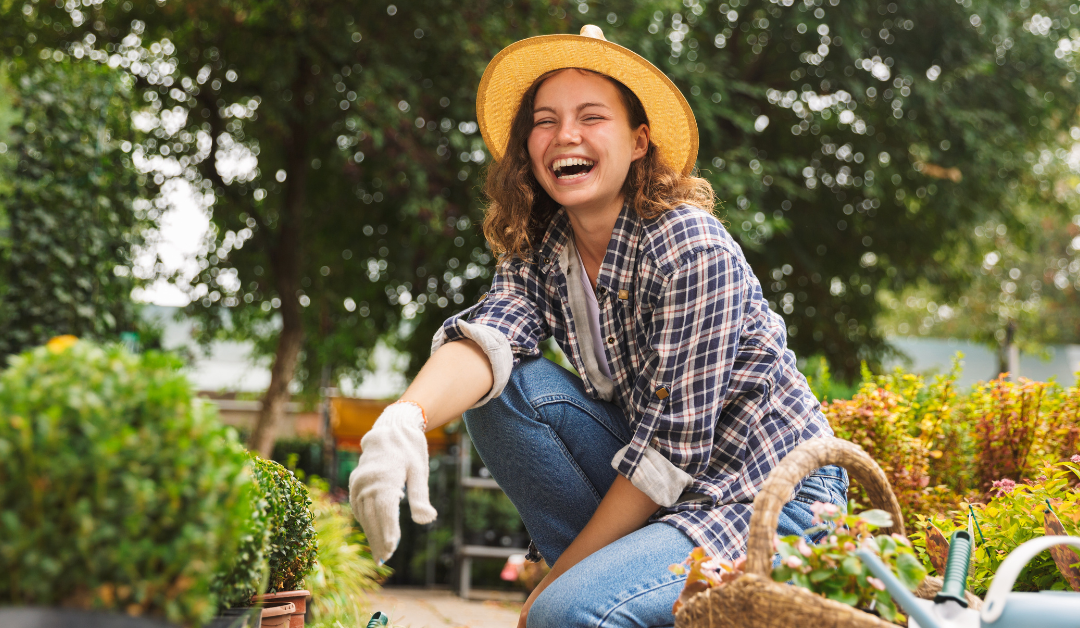
Starting a garden for the first time can feel exciting, but also a little overwhelming. With so many plant options, tools, and techniques, it is easy to wonder where to begin. The good news is that creating a successful garden does not require expert knowledge or years of experience. With a few simple steps and the right guidance, anyone can build a thriving outdoor space.
This guide to gardening for beginners is designed to help you take that first step with confidence. Whether you are planning a small flower bed, a vegetable garden, or a simple container setup, understanding the basics will set you up for success. At Riverview Tree & Landscaping Inc, we help homeowners across Pennsylvania turn their ideas into gardens that grow beautifully year after year.
Why Starting a Garden Is Worth It
Gardening offers more than just visual beauty. It creates a space for relaxation, creativity, and connection with nature. For many homeowners, it becomes a rewarding routine that brings both mental and physical benefits.
Gardening for beginners is also an opportunity to learn something new. Watching plants grow from small seedlings into full, vibrant additions to your yard is a satisfying experience. It teaches patience, observation, and care while enhancing your home’s overall appearance.
Step 1: Choose the Right Location
The first step in gardening for beginners is selecting the right spot. Most plants require at least six hours of sunlight per day, so look for an area that receives consistent light.
Pay attention to how the sun moves across your yard. Some areas may appear sunny in the morning but become shaded later in the day. Choosing a location with stable light conditions helps plants grow more effectively.
Drainage is another key factor. Avoid areas where water tends to pool after rain. Well-drained soil prevents root issues and keeps your plants healthy from the start.
Step 2: Understand Your Soil
Healthy soil is the foundation of every successful garden. Before planting, take time to assess the condition of your soil.
Gardening for beginners often starts with improving soil quality. Adding compost or organic matter helps provide nutrients and improve drainage. In Pennsylvania, many yards have clay-heavy soil, which can benefit from added organic material to create a better growing environment.
If you are unsure about your soil type, local garden centers like Riverview can offer guidance and recommendations tailored to your property.
Step 3: Start Small and Simple
One of the most important tips in gardening for beginners is to start small. It can be tempting to plant a large garden right away, but beginning with a manageable space allows you to learn without feeling overwhelmed.
A small garden bed, a few containers, or a raised bed is a great starting point. As you gain confidence, you can expand your garden over time. Starting small also makes it easier to monitor plant health and adjust your care routine as needed.
Step 4: Choose Beginner-Friendly Plants
Selecting the right plants makes a big difference in your success. Some plants are more forgiving and easier to maintain, making them ideal for beginners.
Common beginner-friendly options include:
- Marigolds
- Zinnias
- Tomatoes
- Herbs like basil and mint
- Black-eyed Susans
- Coneflowers
Gardening for beginners becomes much more enjoyable when you choose plants that thrive in your local climate and require minimal care. Native plants are often a great choice because they are already adapted to Pennsylvania conditions.
Step 5: Learn Basic Watering Techniques
Watering is one of the most important aspects of plant care. Too much water can cause root rot, while too little can lead to wilting.
Gardening for beginners involves learning how to recognize when plants need water. Instead of following a strict schedule, check the soil. If the top inch feels dry, it is usually time to water.
Water deeply but less frequently to encourage strong root growth. Early morning is the best time to water, as it allows moisture to reach the roots before the heat of the day.
Step 6: Add Mulch for Protection
Mulch plays a valuable role in maintaining a healthy garden. It helps retain moisture, regulate soil temperature, and reduce weed growth.
Applying a layer of mulch around your plants is a simple but effective step in gardening for beginners. Organic mulch options like wood chips or shredded bark gradually break down and enrich the soil over time.
Step 7: Keep Weeds Under Control
Weeds compete with your plants for water, nutrients, and sunlight. Removing them regularly helps your garden thrive.
Gardening for beginners includes developing a routine for checking and removing weeds. Pull them early before they spread or develop deep roots.
Mulching and proper spacing between plants can also help prevent weed growth, making maintenance easier in the long run.
Step 8: Understand Plant Spacing
Proper spacing is essential for healthy growth. Overcrowding can lead to poor air circulation, increased pests, and competition for nutrients.
Gardening for beginners often includes learning how much space each plant needs. Always follow the spacing guidelines provided with seeds or plant labels.
Giving plants enough room allows them to reach their full potential and reduces the risk of disease.
Step 9: Monitor for Pests and Problems
Even well-maintained gardens can attract pests. Regularly inspecting your plants helps you catch issues early.
Look for signs such as holes in leaves, discoloration, or unusual growth patterns. Gardening for beginners involves learning how to identify these signs and respond quickly.
Natural solutions like hand removal, insecticidal soap, or encouraging beneficial insects can help manage pests without harming your garden.
Step 10: Be Patient and Learn as You Grow
Gardening is a process that takes time. Plants do not grow overnight, and not every attempt will be perfect.
Gardening for beginners is about learning through experience. Each season brings new lessons, and even small successes build confidence. Over time, you will develop a better understanding of your plants and how to care for them.
Seasonal Considerations in Pennsylvania
Gardening in Pennsylvania requires attention to seasonal changes. Spring is ideal for planting, while summer focuses on maintenance and watering. Fall is a great time for planting perennials and preparing soil for the next year.
Winter provides an opportunity to plan and prepare for the upcoming growing season. Gardening for beginners becomes easier when you align your efforts with the natural cycle of the seasons.
The Value of Local Expertise
Local knowledge can make a significant difference when starting a garden. Climate, soil conditions, and plant selection all vary by region.
Riverview Tree & Landscaping Inc offers expert advice tailored to Pennsylvania homeowners. From selecting plants to designing garden layouts, their team helps ensure your gardening experience starts on the right foot.
Having access to local expertise makes gardening for beginners more approachable and increases your chances of long-term success.
Expanding Your Garden Over Time
Once you feel comfortable with the basics, you can begin expanding your garden. Adding new plants, experimenting with different layouts, or incorporating decorative elements allows you to personalize your space.
Gardening for beginners often evolves into a long-term hobby. As your confidence grows, so does your ability to create more complex and beautiful designs.
Bringing It All Together
Starting your first garden does not need to be complicated. By choosing the right location, improving your soil, selecting beginner-friendly plants, and maintaining a simple care routine, you can create a garden that thrives.
Gardening for beginners is about taking small steps and building knowledge over time. With patience and consistency, your garden will grow into a space that reflects your effort and creativity.
If you are ready to start your first garden or want expert guidance along the way, Riverview Tree & Landscaping Inc is here to help.
Stay up to date with the latest at Riverview Tree and Landscaping by following us on Instagram and Facebook.
Recent Comments