
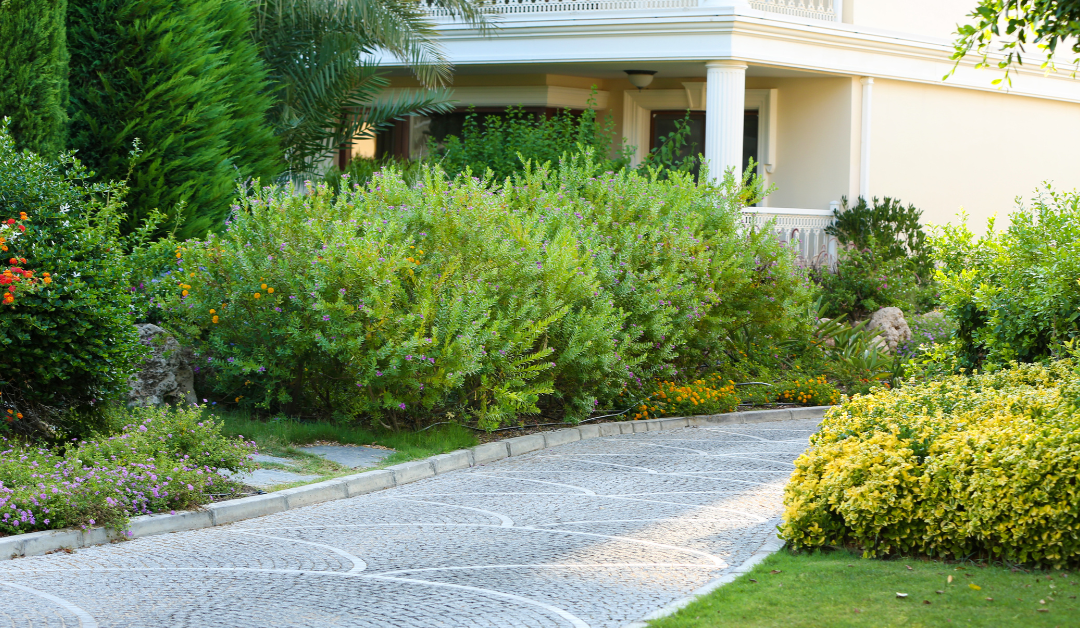
Choosing the right plants for your yard can make all the difference between a landscape that struggles and one that thrives year after year. Pennsylvania’s climate presents unique challenges, from cold winters and humid summers to varying soil conditions across properties. That is why plant selection should never be random.
Experienced landscapers understand how to match plants with the environment, ensuring long-term success. Instead of choosing based only on appearance, they consider factors such as sunlight, drainage, maintenance needs, and seasonal performance.
Why Plant Selection Matters
Many homeowners make the mistake of choosing plants based on appearance alone. While color and texture are important, long-term success depends on selecting plants suited to local conditions.
Landscapers focus on plant resilience, growth habits, and compatibility with surrounding elements. A well-planned landscape reduces maintenance, prevents overcrowding, and maintains its structure throughout the seasons.
Choosing the right plants ensures your yard looks balanced, stays healthy, and continues to improve over time.
1. Black-Eyed Susan
Black-eyed Susan is a native perennial known for its bright yellow petals and dark center. It thrives in full sun and adapts well to different soil types.
Landscapers often recommend this plant because it is low-maintenance and attracts pollinators such as bees and butterflies. It blooms from summer into early fall, providing long-lasting color.
2. Eastern Redbud
The Eastern Redbud is a small ornamental tree that adds beauty throughout multiple seasons. In spring, it produces vibrant pink blossoms, while in fall its leaves turn warm shades of yellow.
Landscapers value this tree for its manageable size and ability to serve as a focal point in residential yards. It works well in both traditional and modern designs.
3. Hydrangea
Hydrangeas are a favorite among landscapers for their large blooms and versatility. They perform well in Pennsylvania’s climate and offer a range of colors depending on the variety.
These shrubs can be used as foundation plantings, borders, or focal features. With proper placement and care, hydrangeas provide a strong visual impact throughout the growing season.
4. Boxwood
Boxwood shrubs provide year-round structure and greenery. They are often used for hedges, borders, or formal garden designs.
Landscapers appreciate boxwood for its ability to be shaped and maintained easily. It offers a clean, polished look that works well in front yard designs.
5. Coneflower
Coneflower is another native plant that thrives in Pennsylvania. It produces purple or pink blooms and attracts pollinators, making it both beautiful and beneficial.
Landscapers frequently include coneflower in perennial beds because of its durability and long blooming period. It pairs well with ornamental grasses and other flowering plants.
6. Switchgrass
Switchgrass is a native ornamental grass that adds movement and texture to the landscape. It turns golden in the fall, providing seasonal interest even after other plants fade.
Landscapers often use switchgrass in modern and natural designs because it is low-maintenance and highly adaptable. It also helps with erosion control in certain areas.
7. Hosta
For shaded areas, hosta is one of the best options available. It offers large, textured leaves in shades of green, blue, and variegated patterns.
Landscapers rely on hostas to fill spaces under trees or along shaded borders. They are easy to care for and create a lush, layered appearance.
8. Creeping Phlox
Creeping phlox is a ground cover plant that produces vibrant blooms in early spring. It spreads across slopes and edges, creating a carpet of color.
Landscapers use creeping phlox to soften hardscape features and prevent soil erosion. It works especially well along walkways and retaining walls.
9. Japanese Maple
Japanese maple trees add elegance and visual interest with their delicate leaves and striking colors. They are often used as focal points in landscape design.
Landscapers choose Japanese maples for their ability to enhance both small and large yards. Their seasonal color changes provide year-round appeal.
10. Sedum
Sedum, also known as stonecrop, is a hardy plant that thrives in sunny, well-drained areas. It produces clusters of flowers and adds texture to planting beds.
Landscapers recommend sedum for its drought tolerance and low maintenance needs. It is an excellent choice for homeowners looking to reduce upkeep.
Designing with the Right Plant Combinations
Selecting individual plants is only part of the process. Landscapers focus on how plants work together to create a cohesive design.
Combining different heights, textures, and bloom times ensures your yard remains visually appealing throughout the year. Layering plants from ground cover to shrubs and trees adds depth and dimension.
A well-designed landscape feels balanced and intentional rather than random or overcrowded.
Considering Sunlight and Soil Conditions
Every yard has unique conditions that affect plant growth. Landscapers evaluate sunlight exposure, soil type, and drainage before making recommendations.
Sunny areas require plants that tolerate direct light, while shaded spaces benefit from species adapted to lower light levels. Soil amendments may be needed to improve drainage or nutrient levels.
Understanding these factors helps ensure long-term success and reduces maintenance challenges.
Low-Maintenance Landscaping Choices
Many homeowners prefer plants that require minimal care. Landscapers often recommend native species and hardy varieties that adapt well to local conditions.
Low-maintenance plants reduce the need for watering, fertilizing, and pruning. This allows homeowners to enjoy their yard without constant upkeep.
Selecting the right combination of plants creates a landscape that looks great with less effort.
Seasonal Interest Throughout the Year
Pennsylvania’s four seasons provide an opportunity to create dynamic landscapes. Landscapers design yards with plants that offer color and structure year-round.
Spring blooms, summer greenery, fall foliage, and winter structure all contribute to a balanced design. By choosing plants with different seasonal highlights, your yard remains visually appealing in every season.
The Value of Professional Expertise
While many homeowners enjoy gardening, working with experienced landscapers ensures the best results. Professionals understand plant compatibility, design principles, and local conditions.
Riverview Tree & Landscaping Inc combines expertise with creativity to deliver landscapes that thrive. Their team helps homeowners select the right plants and design layouts that enhance both beauty and function.
Bringing It All Together
Choosing the right plants is the foundation of a successful landscape. By focusing on species that thrive in Pennsylvania’s climate, homeowners can create yards that are both beautiful and practical.
The recommendations shared by landscapers in this guide provide a strong starting point for building a landscape that grows stronger each year. With the right planning and professional support, your yard can become a lasting source of enjoyment.
If you are ready to upgrade your landscape or need help selecting the best plants for your property, Riverview Tree & Landscaping Inc is here to help.
Stay up to date with the latest at Riverview Tree and Landscaping by following us on Instagram and Facebook.
Recent Comments